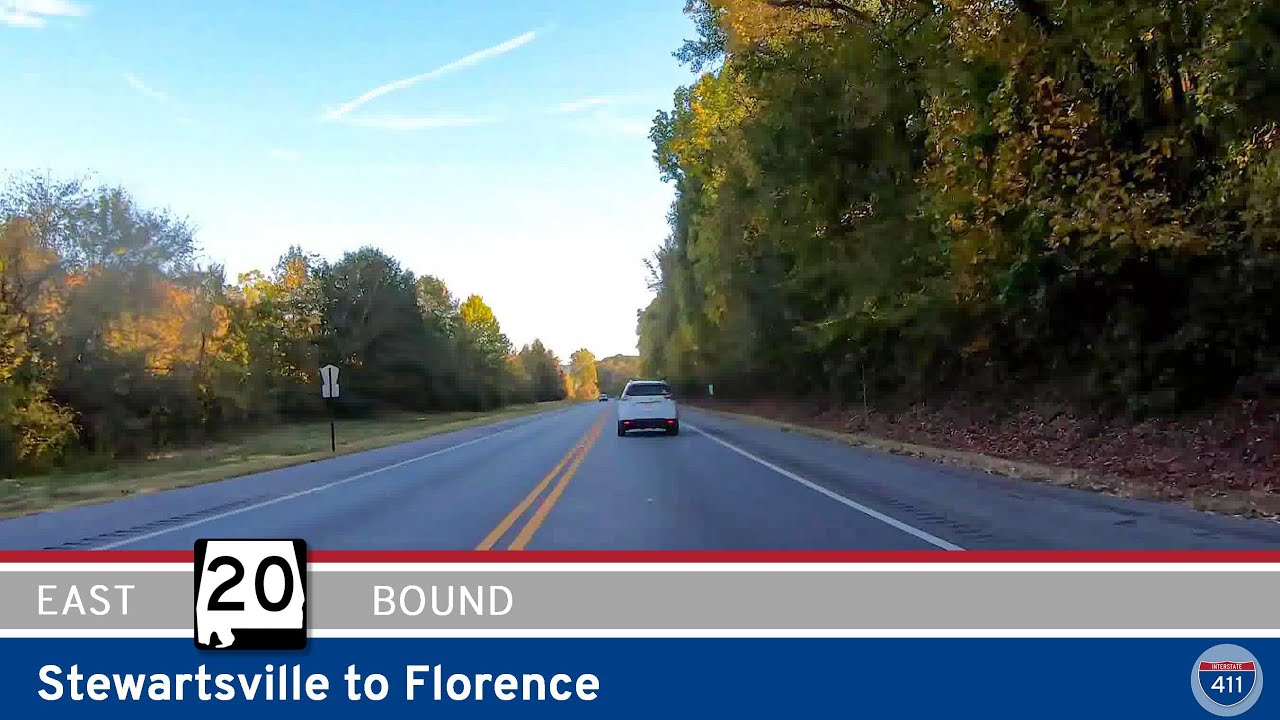
Alabama’s network of highways stretches across a landscape as varied as it is historic, from the Appalachian foothills in the north to the white sand shores of the Gulf Coast. The state boasts over 11,000 miles of state-maintained roadways, including nearly 80 numbered Alabama State Routes. These highways form the backbone of local travel and regional connectivity, linking small towns to major urban centers like Birmingham, Montgomery, and Mobile. Whether you’re heading to a Crimson Tide football game or cruising through the Black Belt’s scenic byways, Alabama’s highways offer a diverse and deeply Southern driving experience.
Many of Alabama’s state routes serve dual roles, functioning as local arterials in rural counties while also supporting larger U.S. and Interstate highway systems. Routes like AL-59 and AL-181 carry beach-bound traffic into the heart of Gulf Shores and Orange Beach, while AL-20 and AL-157 navigate the industrial corridors of the northern part of the state. Numerous highways trace historic trails, Civil Rights landmarks, and agricultural regions that have helped shape Alabama’s identity. Some highways even follow paths carved by old rail lines or early postal roads, maintaining their relevance through generations of change.
As you explore Alabama’s highways on Interstate 411, you’ll find a blend of modern infrastructure and timeworn charm. Our video drives showcase everything from pine-lined backroads to urban bypasses and coastal access routes. While Alabama may not always be known for grand scenic drives, its highways tell a story — one of heritage, resilience, and the rhythm of everyday life across the Heart of Dixie.