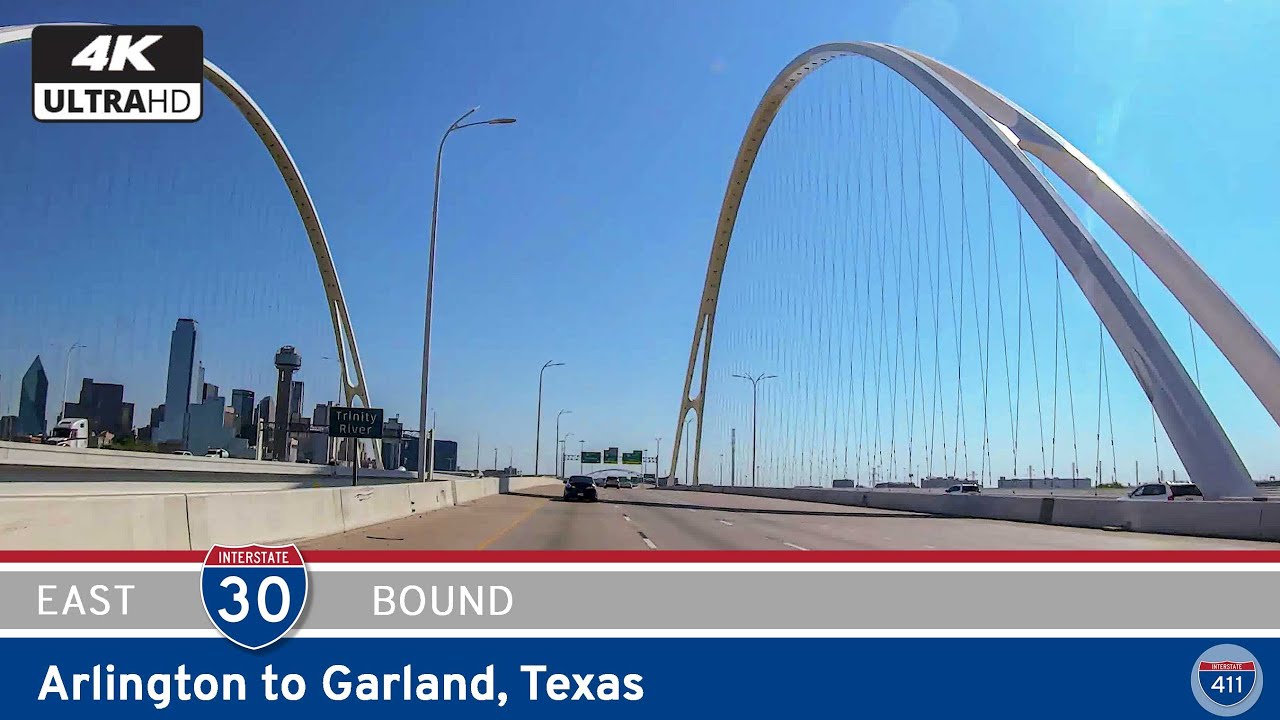
Drive 31 miles along Interstate 30 from Arlington to Garland, Texas, through major Dallas–Fort Worth suburbs, downtown Dallas interchanges, and the scenic shoreline of Lake Ray Hubbard. A dynamic urban freeway journey across North Texas.

Dallas–Fort Worth Metroplex: The Dynamic Heart of North Texas
The Dallas–Fort Worth Metroplex, often referred to as DFW, is a sprawling metropolitan area in North Texas, encompassing 11 counties and serving as a major economic and cultural hub. As of 2025, the Metroplex boasts a population of approximately 8.7 million residents, making it the fourth-largest metropolitan area in the United States. This region seamlessly blends the modern urban appeal of Dallas with the rich Western heritage of Fort Worth, offering a diverse array of experiences for residents and visitors alike.
Dallas: A Modern Metropolis
Founded in 1841, Dallas has evolved from a modest trading post into a bustling city known for its innovation, commerce, and cultural institutions. The city’s skyline is adorned with contemporary architecture, reflecting its status as a center for finance, technology, and the arts. Key attractions include the Dallas Arts District, the largest contiguous urban arts district in the nation, and the historic Sixth Floor Museum at Dealey Plaza, which chronicles the life and legacy of President John F. Kennedy.
Dallas also offers a vibrant culinary scene, with renowned establishments like Pecan Lodge and Dean’s Smokin’ BBQ serving up authentic Texas flavors. The city’s diverse neighborhoods, such as Deep Ellum and Bishop Arts District, provide eclectic shopping, dining, and entertainment options that cater to a wide range of tastes.
Fort Worth: Where the West Begins
Just west of Dallas lies Fort Worth, a city that proudly embraces its cowboy roots while fostering a thriving cultural landscape. Established in 1849 as an army outpost, Fort Worth has grown into a vibrant city with a population surpassing 1 million as of 2024. The Fort Worth Stockyards National Historic District offers a glimpse into the city’s cattle-driving past, featuring daily cattle drives, rodeos, and Western-themed shops.
Fort Worth’s commitment to the arts is evident in institutions like the Kimbell Art Museum and the Modern Art Museum of Fort Worth. The city’s Sundance Square, a 35-block entertainment district, boasts a mix of restaurants, theaters, and shops, providing a lively atmosphere for both locals and tourists.
Suburban Growth and Family Attractions
The Metroplex’s suburbs, including Frisco, Plano, and Arlington, have experienced significant growth, offering family-friendly attractions and amenities. Frisco is home to The Star, the Dallas Cowboys’ world headquarters and training facility, as well as the National Soccer Hall of Fame. Arlington boasts major entertainment venues like AT&T Stadium, home of the Dallas Cowboys, and Six Flags Over Texas, a popular amusement park.
In Frisco, the upcoming Universal Kids Resort, set to open in 2026, promises to be a major draw for families, featuring immersive experiences with beloved characters like Shrek and the Minions.
Drive 31 miles along Interstate 30 from Arlington to Garland, Texas, through major Dallas–Fort Worth suburbs, downtown Dallas interchanges, and the scenic shoreline of Lake Ray Hubbard. A dynamic urban freeway journey across North Texas.
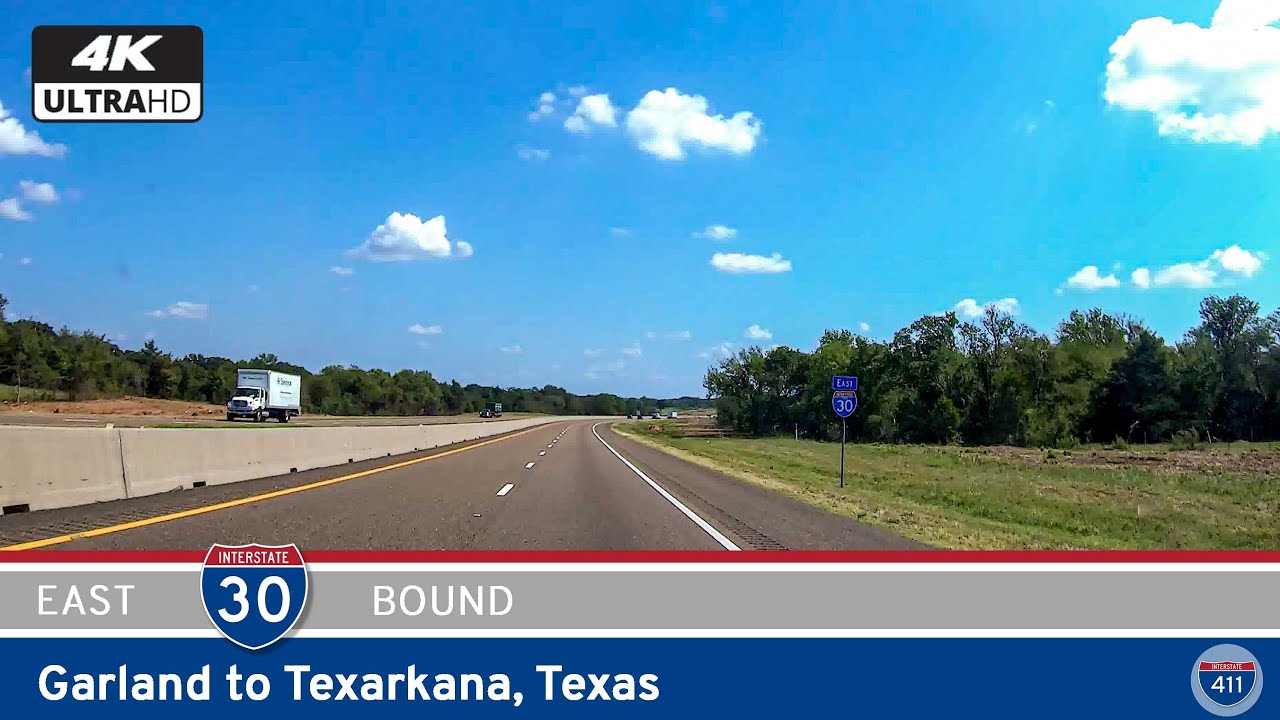
Travel 168 miles along Interstate 30 from Garland to Texarkana, Texas, crossing Lake Ray Hubbard, prairie farmland, piney woods, and military landscapes before arriving in the twin-state city of Texarkana.
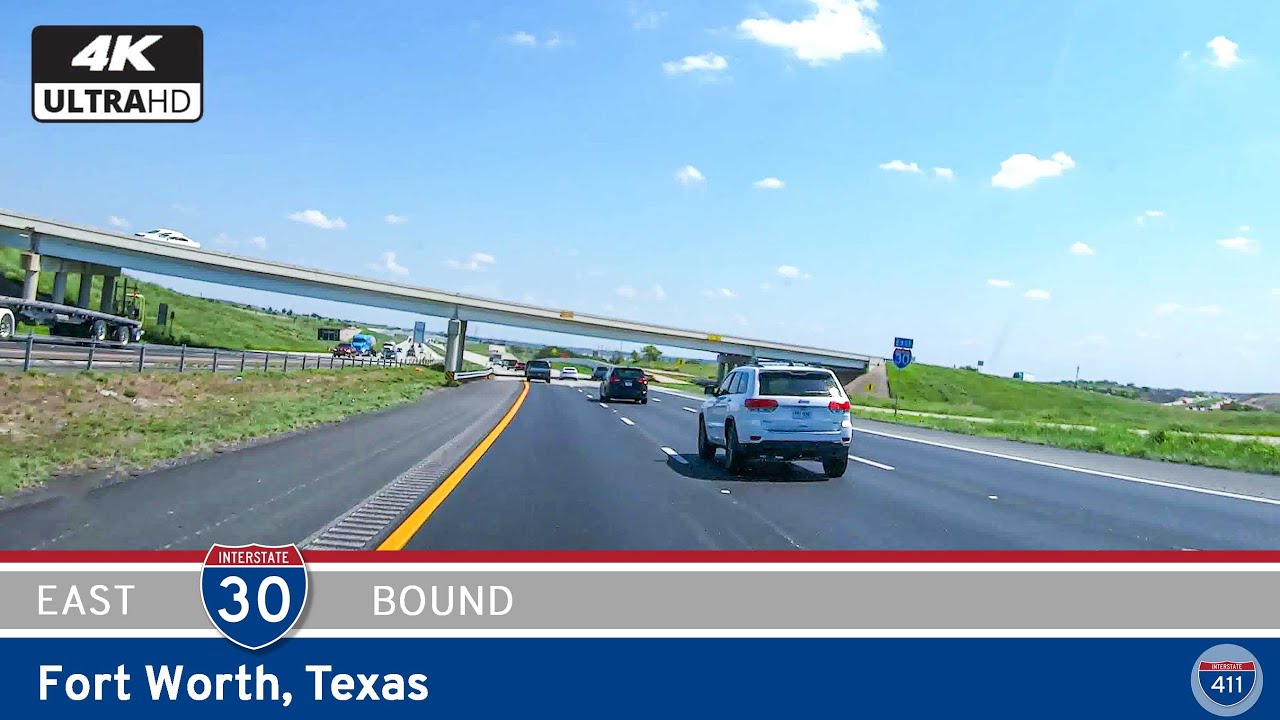
Cruise 23 miles through Fort Worth, Texas along Interstate 30—from its western terminus at I-20, through downtown, and out to I-820 on the east side. A vibrant drive through the heart of the Metroplex.
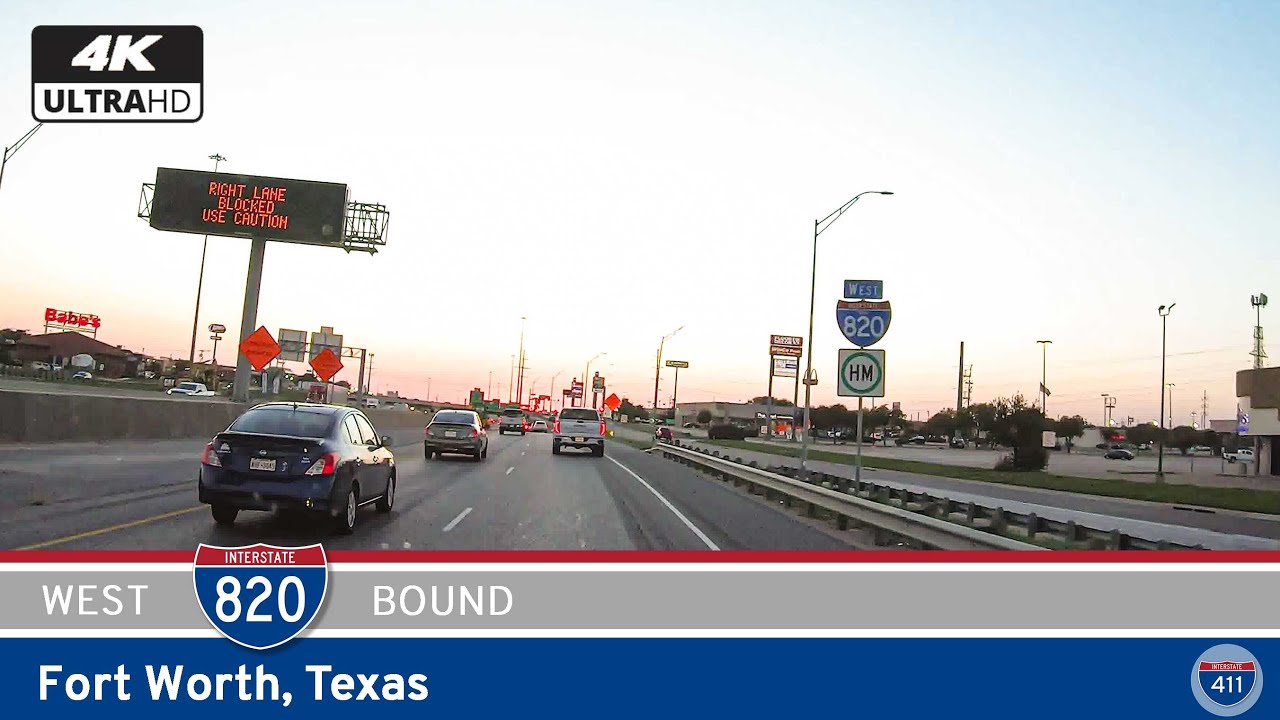
Drive 31 miles along Interstate 820 in Fort Worth, Texas, covering the city’s eastern, northern, and western suburbs in this scenic loop. From Lake Worth to major interchanges with I-20, I-30, and I-35W, experience Fort Worth’s beltway in full.
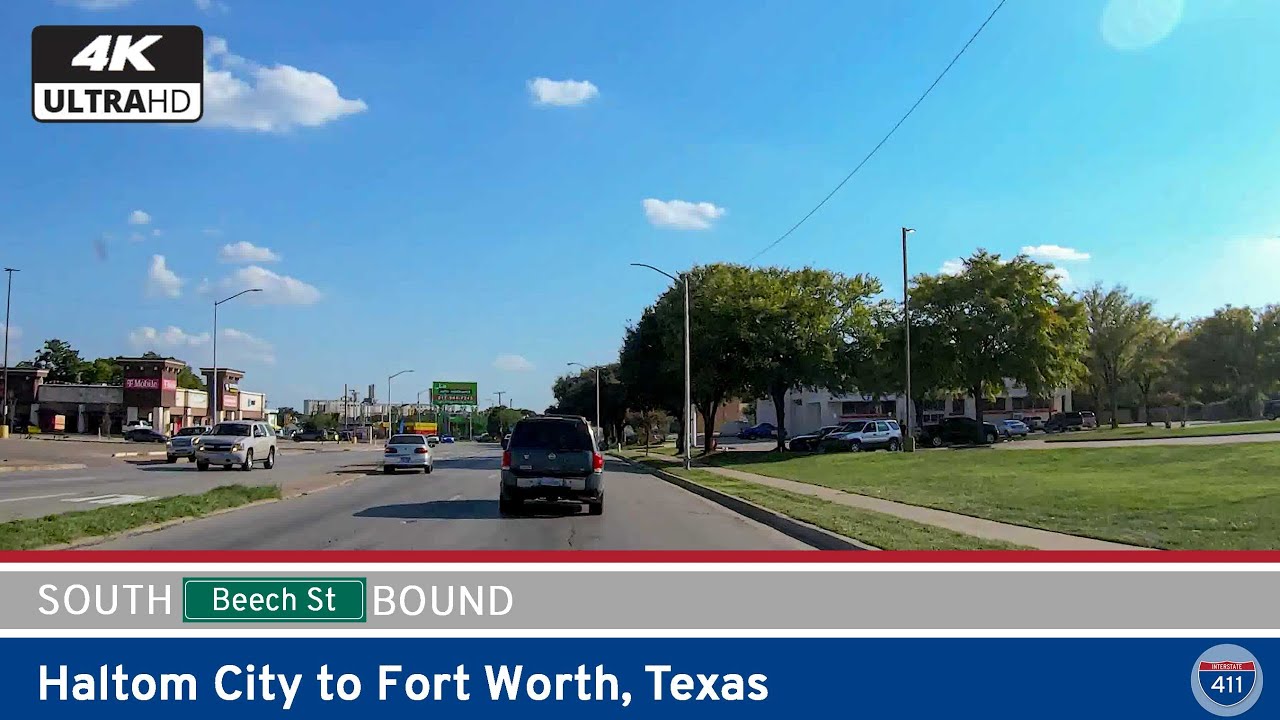
Drive 4 miles south along Beach Street in Fort Worth, Texas, as we explore this key arterial road connecting IH-820 to SH-121 through the city’s northeast neighborhoods and a brief stretch of Haltom City.
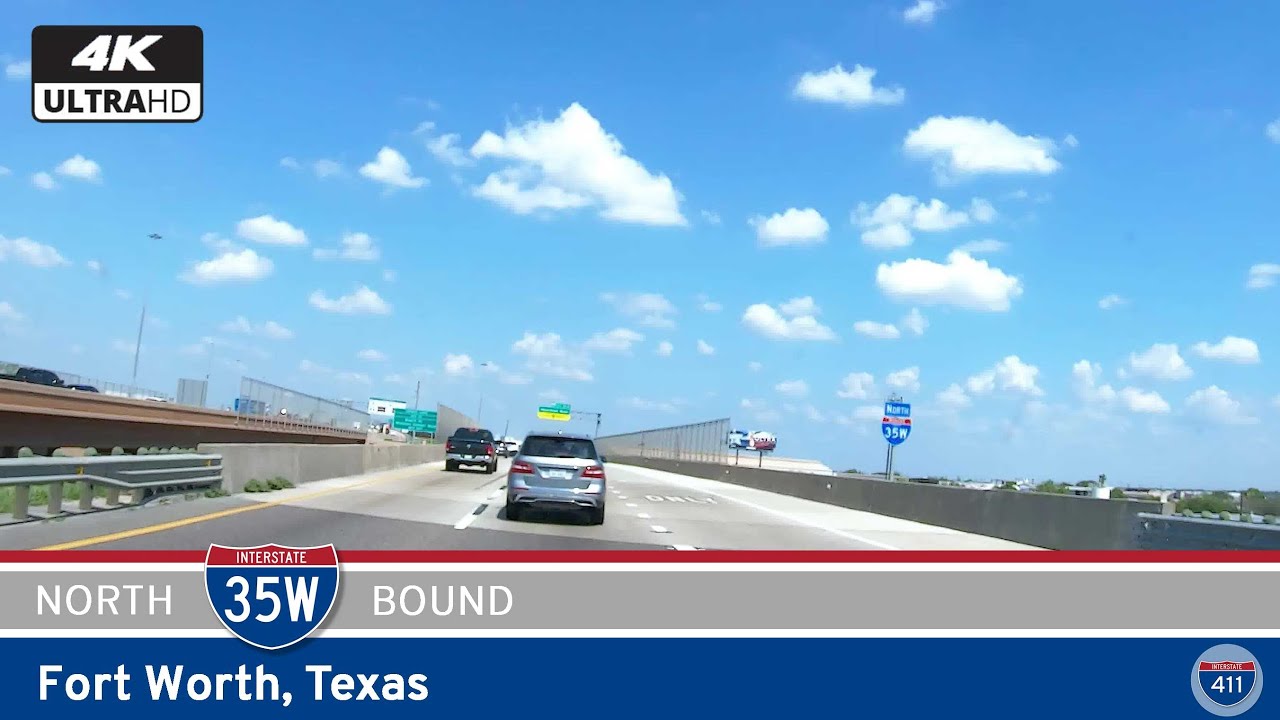
Travel 11 miles north along Interstate 35W in Fort Worth, Texas—from the southern interchange with I-20, through downtown, and ending at I-820. Explore key junctions, skyline views, and local landmarks along this urban route.
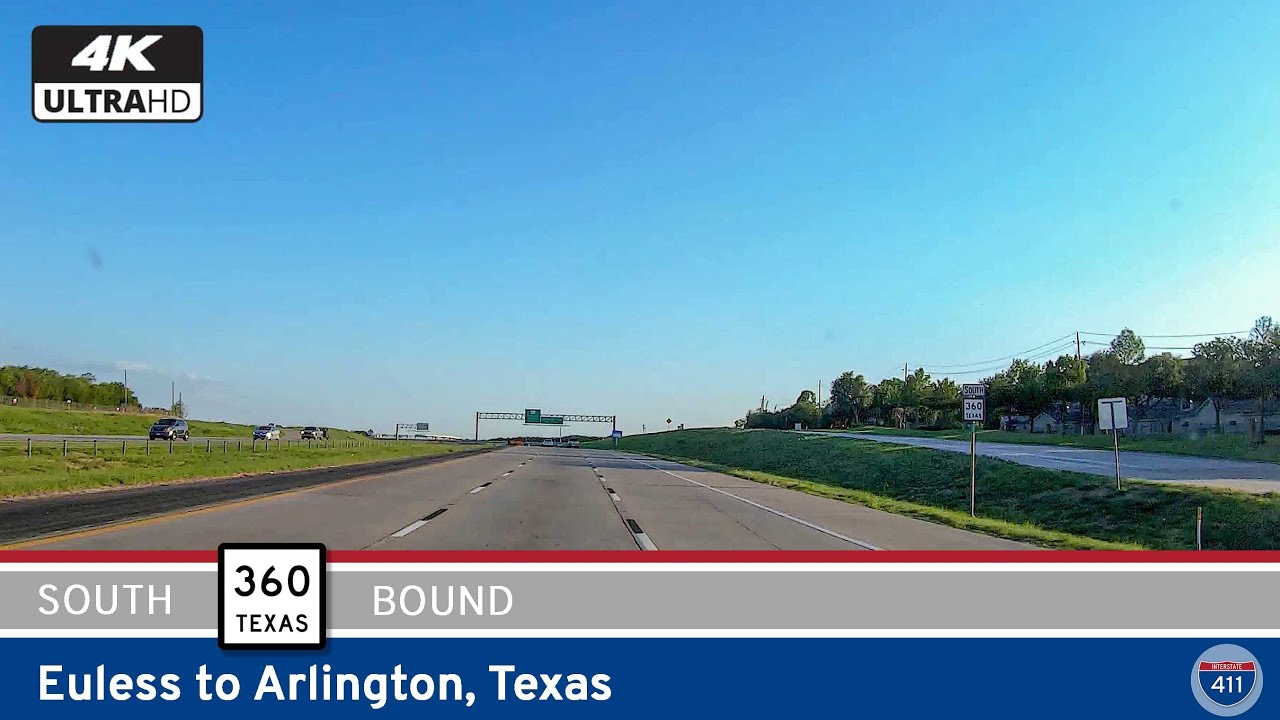
Cruise 13 miles south along Texas Highway 360 from Euless to Arlington. This key DFW-area route links travelers to major interstates, sports venues, and the entertainment hub of North Texas.
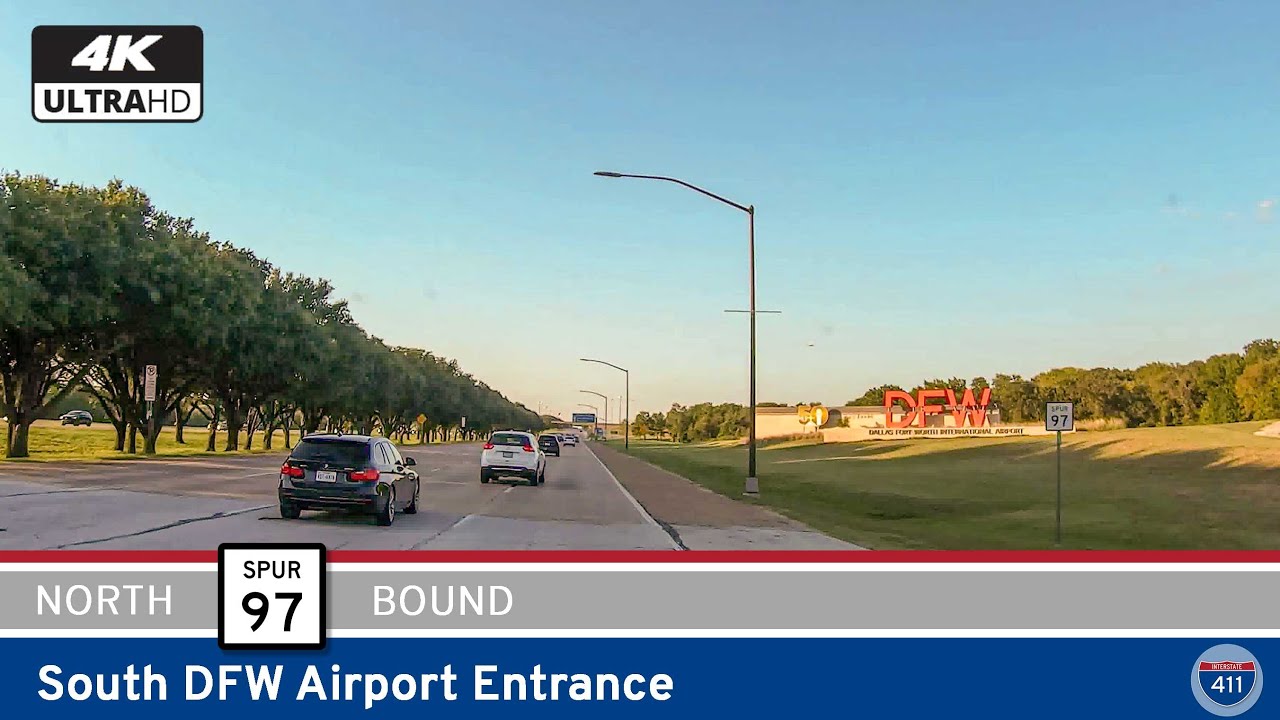
Take a short drive on Texas Highway 97 Spur, the south entrance to DFW Airport. This 3-mile connector offers a seamless route from SH-183 in Euless to the airport toll plaza, providing a fast and efficient gateway into one of America’s busiest airports.
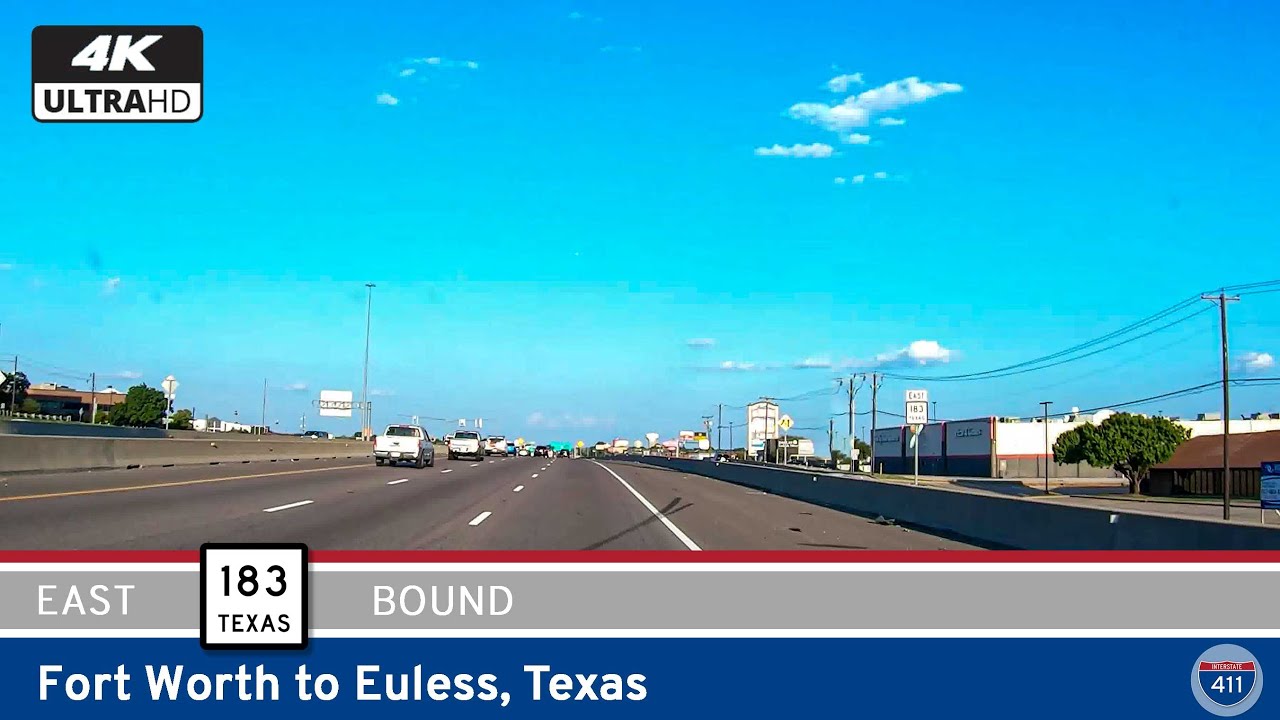
Travel 9 miles east along Texas Highway 183 from Fort Worth to Euless, passing through Hurst and Bedford before arriving at the DFW Airport entrance. A key Metroplex corridor with heavy traffic and vital connections.
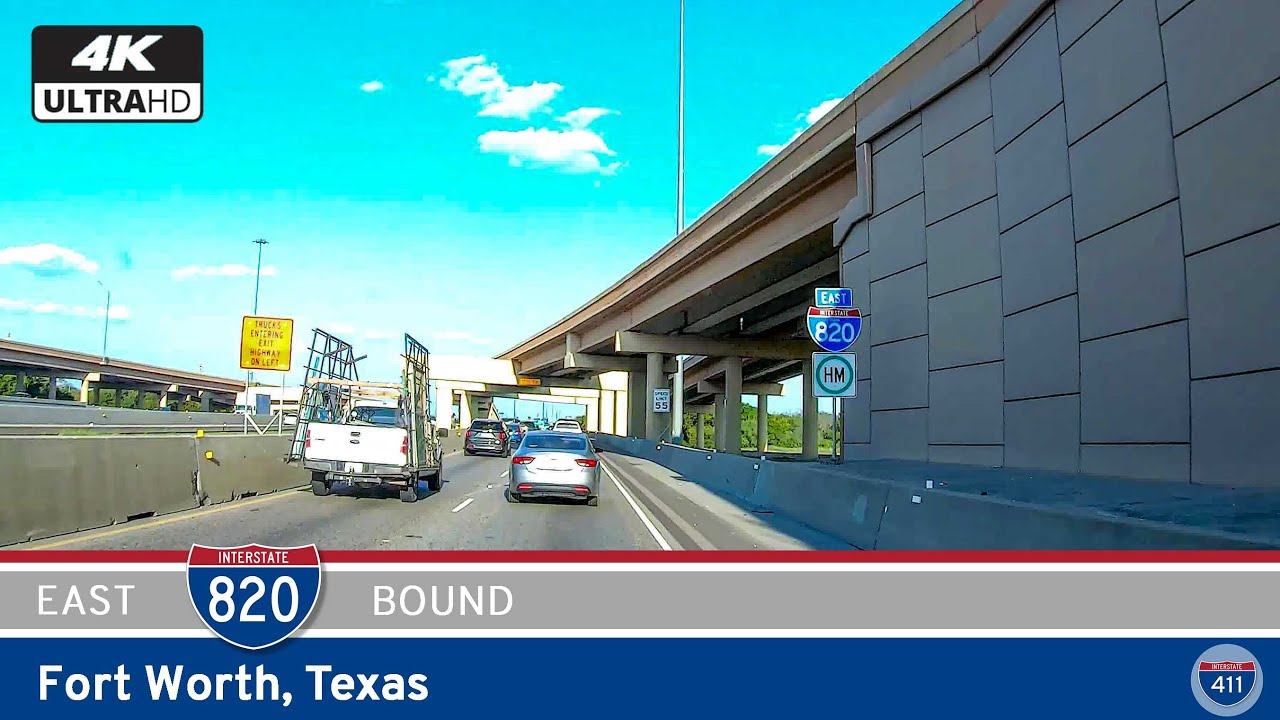
Explore 35 miles of Interstate 820 eastbound through Fort Worth, Texas, from its southwestern junction with I-20 through major interchanges with I-30, I-35W, and TX-183 before looping back to I-20. This drive around the city’s eastern edge captures suburban scenery, l…
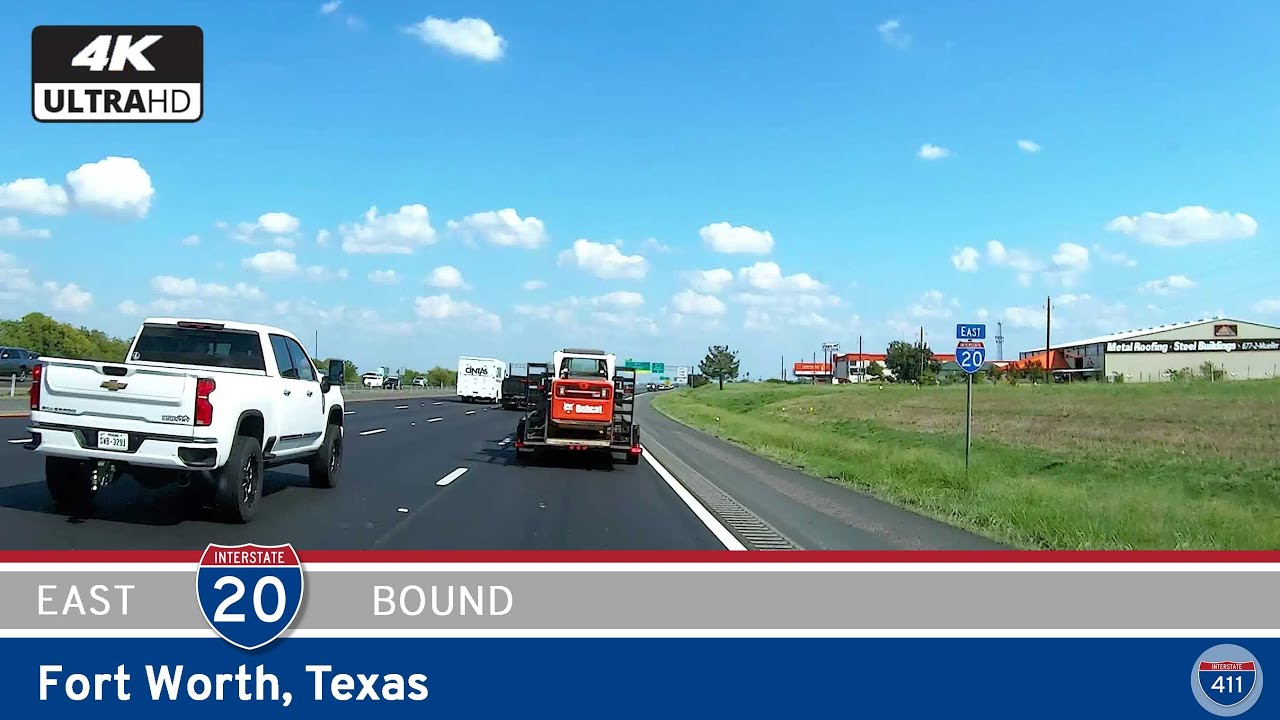
Drive 17 miles east along Interstate 20 in Fort Worth, Texas, from the I-30 interchange to I-35W. This urban segment of I-20 bypasses downtown and connects major routes like I-820, US-377, and the Chisholm Trail Parkway, offering a look at Fort Worth’s southern corrid…
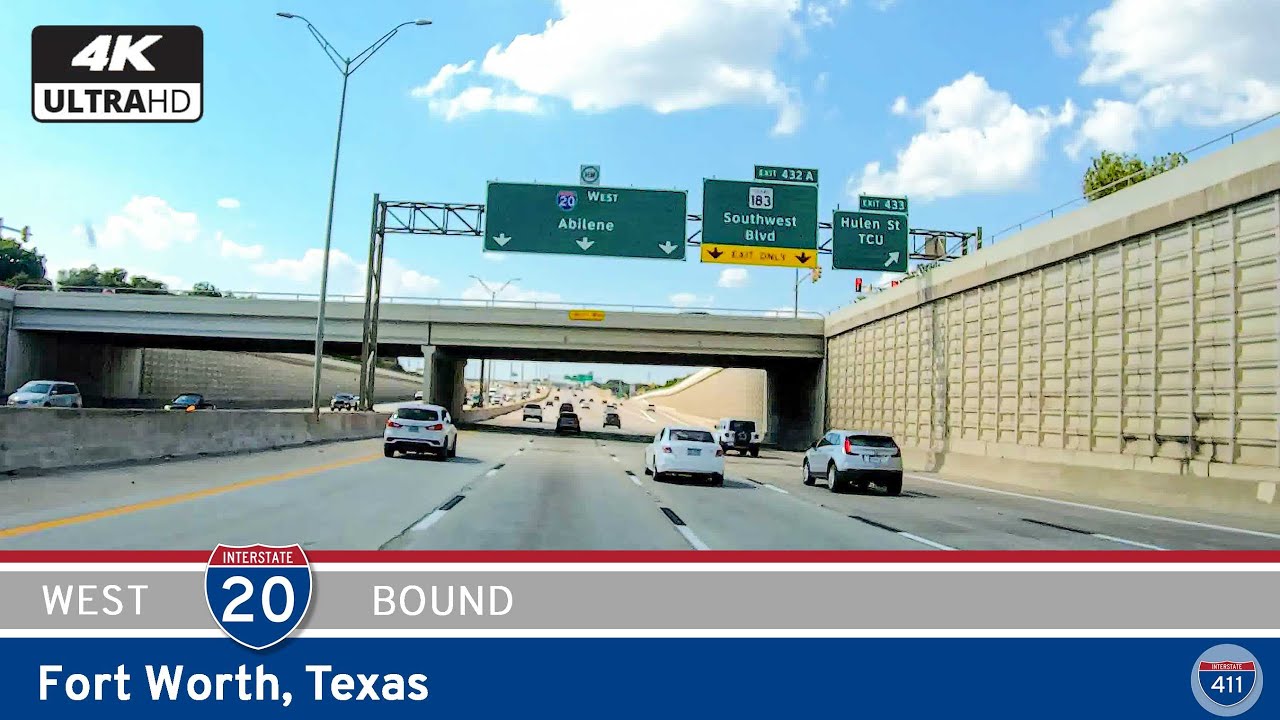
Cruise 14 miles west along Interstate 20 in Fort Worth, Texas, as we pass major interchanges with I-820, I-35W, and the Chisholm Trail Parkway. This vital bypass corridor showcases the southern edge of the city and leads west toward Weatherford.